
In short: camera autofocus explained in one line — modern systems detect a subject, predict where it will be when the shutter opens, and drive the lens there. What separates good from bad is not speed but hit rate: the proportion of frames that are actually in focus. Manufacturers advertise detection features; almost nobody publishes hit rate.
Camera autofocus explained matters because it is the specification most likely to decide whether you keep a photograph, and the hardest to evaluate from a spec sheet. Frame rate numbers are printed in large type; the question of how many of those frames are sharp is left to you.
How we approached this
This explains mechanisms and how to evaluate them. RankBoast has not measured autofocus hit rates and publishes no percentages — inventing one would be exactly the kind of fabricated authority our review methodology rules out.
The two mechanisms, and why hybrid won
Contrast detection moves the lens and evaluates image contrast until it peaks. Accurate, but it must hunt to find the peak, which is slow and visible in video.
Phase detection compares light arriving from different parts of the lens to calculate directly how far and in which direction to move. Fast, and it knows which way to go without hunting.
Nearly every current camera uses both on the sensor: phase detection for speed and direction, contrast for final precision. That combination is why autofocus improved so sharply over the last decade, and it is the foundation of camera autofocus explained properly.
Subject detection is prediction, not magic
Current systems recognize categories of subject — people, eyes, animals, birds, vehicles — and keep focus on them as they move. The recognition part is genuinely impressive. The harder part is prediction: between the moment the camera measures focus and the moment the shutter opens, the subject has moved. The system has to guess where it will be.
That is why erratic, accelerating movement is harder than fast but steady movement. A sprinter running toward you at constant speed is easier than a toddler changing direction. Frame rate does not help with this; prediction quality does.
Camera autofocus explained: the modes
| Mode | Behavior | Use for |
|---|---|---|
| Single (AF-S) | Focuses once and locks | Static subjects, landscapes, portraits of still sitters |
| Continuous (AF-C) | Keeps adjusting while held | Anything moving. The default for events and sport |
| Subject detection | Finds and follows a chosen subject type | People, animals, vehicles — set the correct type |
| Manual | You focus | Macro, video, low contrast, deliberate composition |
The most common practical error is leaving the camera in single mode and wondering why moving subjects are soft. The second is leaving subject detection set to the wrong category.
Video asks different questions
For stills, autofocus needs to be right at one instant. For video it needs to move smoothly and never hunt, because a visible focus correction ruins a shot in a way a single soft frame never does.
That is why video-focused specifications talk about transition speed and sensitivity settings rather than acquisition time, and why some cameras that excel at stills feel unsettled in video. If video matters, evaluate focus behavior on moving footage, not on a burst of frames.
How to evaluate it yourself
Since hit rate is rarely published, test it. This takes twenty minutes with a rented or borrowed body.
- Use the lens you intend to own. Autofocus is a body-and-lens system, not a body specification.
- Shoot your actual subject. A moving child, a pet, a bicycle — whatever you photograph.
- Shoot a long burst in continuous mode with the correct subject type selected.
- Count the keepers at 100% magnification. Not the pleasing ones — the sharp ones. That ratio is your hit rate.
- Repeat in the light you shoot in. Autofocus degrades in dim conditions, and specifications rarely say by how much.
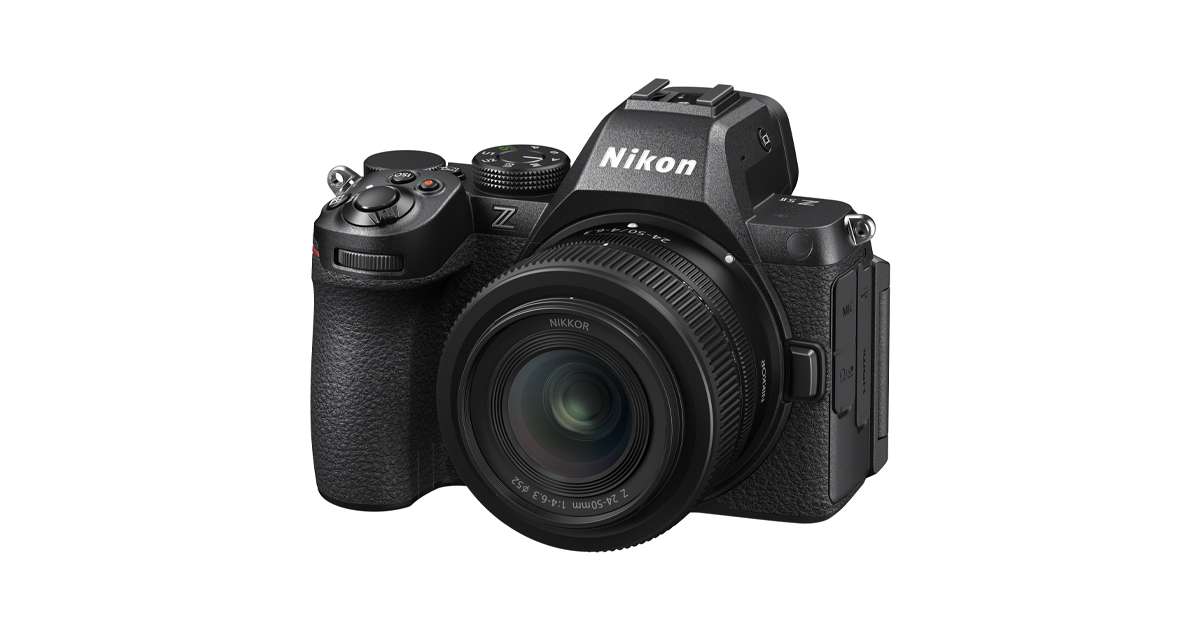
Also check the viewfinder while shooting. Nikon publishes a 3690k-dot, 3000-nit viewfinder on the Z5II; a bright, high-resolution finder makes it far easier to tell whether tracking is holding.
Common mistakes
Judging autofocus by frame rate. Forty unusable frames are worse than ten sharp ones.
Leaving it in single mode. The single most common cause of soft action photographs.
Wrong subject-detection category. Bird detection will not prioritize a cyclist.
Testing only in good light. Performance in dim conditions is where systems separate.
Blaming the body when the lens is slow. Older or budget lenses limit the system regardless of the sensor.
What to prioritize
- Sport and wildlife: tracking prediction and hit rate. Rent and count keepers before buying — see our sports camera guide.
- Events and weddings: reliable eye detection in poor light matters more than burst rate.
- Video: smooth, non-hunting transitions and adjustable sensitivity.
- Landscape and studio: autofocus barely matters. Spend elsewhere.
- General photography: any current mid-range body is comfortably good enough.
Verdict
Autofocus quality is hit rate, and hit rate is something you have to measure because nobody publishes it. Rent the body with your lens, shoot your subject, count the sharp frames. That single exercise tells you more than every autofocus specification combined — which is the practical end of camera autofocus explained.
What we would need to test to say more
Publishing hit rates would require repeated, controlled runs per body and lens combination against identical moving subjects at matched settings, with sharpness assessed consistently and results reported with sample sizes. We have not done that and publish no percentage.
Sources and methodology
Specifications quoted are manufacturer values from the pages linked below, retrieved August 2026. RankBoast has not tested these cameras, measured autofocus performance or received review samples. Research and drafting were AI-assisted. Errors are handled under our corrections policy.
Source links
Join the discussion
Add useful context, ask a focused question or share relevant experience. Comments are moderated to protect readers from spam and promotional links.

Leave a thoughtful comment