
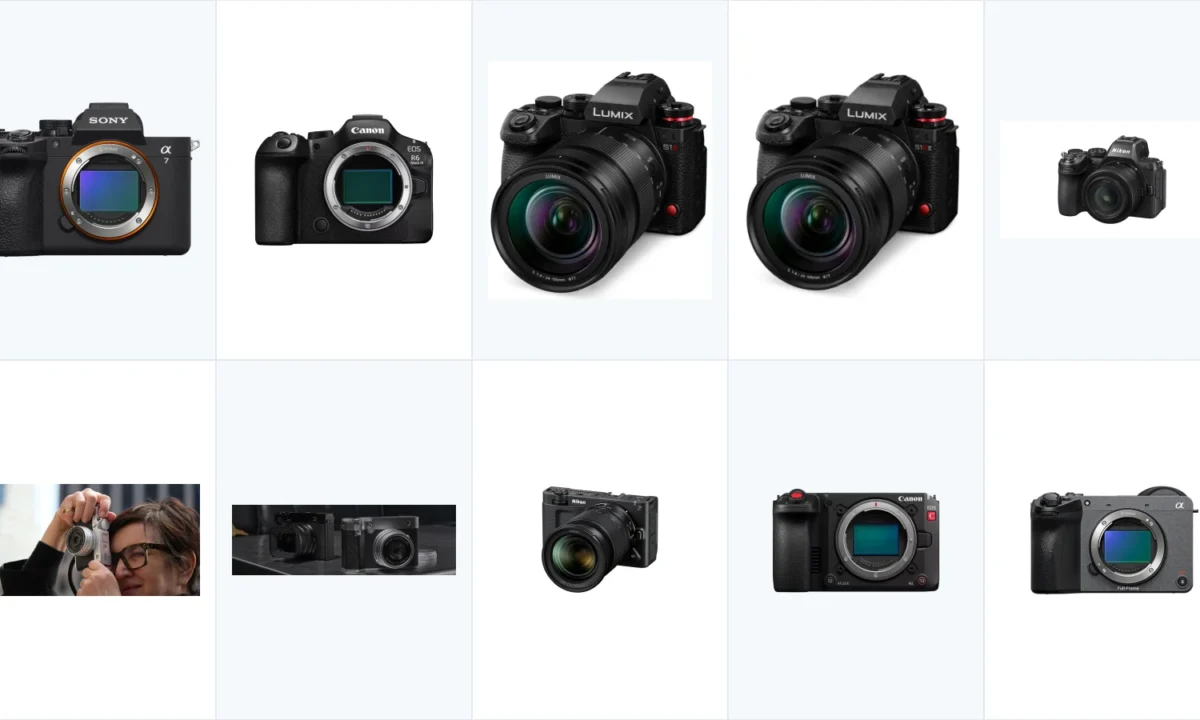
In short: a defensible camera review methodology states what was tested, under what conditions, with which lens, and — critically — what was not tested. Reviews that publish a single overall percentage without a method behind it are opinion wearing the costume of measurement. This is the standard we hold ourselves to, including where we fall short.
We publish camera articles without having handled the cameras. That is an unusual thing to admit, and it is the reason this article exists: if we are going to write about equipment we have not tested, readers are entitled to know exactly what our claims rest on.
Why methodology is the whole argument
Two reviewers can shoot the same camera and reach opposite conclusions, both honestly, because they tested different things. One shot landscapes on a tripod; the other shot a football match. Neither is wrong; both are incomplete without stating the conditions.
That is why a camera review methodology is not administrative detail. It is the information that lets you decide whether a conclusion applies to you.
What a review should disclose
- Which lens was used. Autofocus and sharpness are properties of a body-and-lens system, never a body alone.
- The exact settings. Shutter speed, aperture, ISO, file format, focus mode, subject-detection type.
- The conditions. Light level, subject type and movement, indoors or out, temperature for sustained recording.
- Sample size. “Autofocus was reliable” means little. Frames shot and frames sharp means something.
- Whether the unit was supplied. Manufacturer loans are normal and not disqualifying, but they must be declared.
- What was not tested. The most frequently omitted and most useful disclosure of all.
The problem with a single score
A camera reduced to 89% invites a comparison the number cannot support. Was it marked down for video features by a stills photographer? Weighted for value at a price that has since changed? Scored against a category the next camera is not in?
Aggregate scores are useful for shortlisting from a large field and misleading for choosing between two close options. They also age badly, because they encode a price and a competitive set that both move. Where we cite a published score we say who issued it and treat it as one input, never as a verdict.
Combining numbers from different testers is worse still. A dynamic range figure from one lab and a rolling shutter figure from another were produced by different methods; averaging them produces a number that describes nothing.
Our standard, including its limits
Applied to our own camera coverage, our camera review methodology commits us to five things.
- Manufacturer figures are labeled as manufacturer figures. Weights, stabilization ratings and battery numbers are claims made by the maker under favorable conditions, and we say so.
- Independent measurements are attributed to whoever made them, with a link, and never blended with figures from a different lab.
- We do not publish performance numbers we did not measure. No invented hit rates, no fabricated dynamic range stops.
- We state what we have not done. Every camera article carries a section saying what testing would be required to go further.
- We disclose AI assistance and take no samples. Our drafting is AI-assisted with sources traced; we accept no review units, payment or sponsorship from camera manufacturers.
The honest limit: this means our camera coverage is analysis of published evidence, not first-hand testing. For measured performance you should read a lab that owns the equipment and the test bench. We link to them rather than paraphrasing them as our own work.
How to read any camera review critically
- Look for the lens. If it is not named, autofocus and sharpness claims are unanchored.
- Look for the conditions. A conclusion without conditions does not transfer to your use.
- Look for what is absent. A review that finds no faults has usually not looked for them.
- Check the date against the price. Value verdicts expire faster than anything else.
- Prefer files to adjectives. Downloadable sample files at your ISO tell you more than any paragraph.
Common mistakes in camera reviews
An overall score with no stated method. The clearest signal to read further elsewhere.
Body claims without a lens. Meaningless for autofocus and resolution.
Blending measurements from different labs. Different methods do not average.
Undeclared supplied units. Not disqualifying; not disclosing is.
Implying testing that did not happen. The failure we designed our own standard to prevent.
Verdict
Judge reviews by their stated method, not their confidence. A good camera review methodology names the lens, the settings, the conditions and the gaps — and a review that tells you what it did not test is more trustworthy than one that appears to have tested everything. We hold ourselves to that, which is why our camera articles say plainly that we have not handled the cameras.
What we would need to change to test cameras ourselves
First-hand testing would require purchasing or renting bodies and lenses, a repeatable indoor test scene with controlled lighting, a colorimeter, a moving-subject rig for autofocus repeatability, and thermal logging for sustained recording. Until we have that, we analyze published evidence and label it as such.
Sources and methodology
This article describes our own editorial standard and is published alongside our review methodology and editorial policy. RankBoast accepts no camera review samples, payment or sponsorship. Research and drafting were AI-assisted. Errors are handled under our corrections policy.
Join the discussion
Add useful context, ask a focused question or share relevant experience. Comments are moderated to protect readers from spam and promotional links.
Leave a thoughtful comment