
Quick verdict
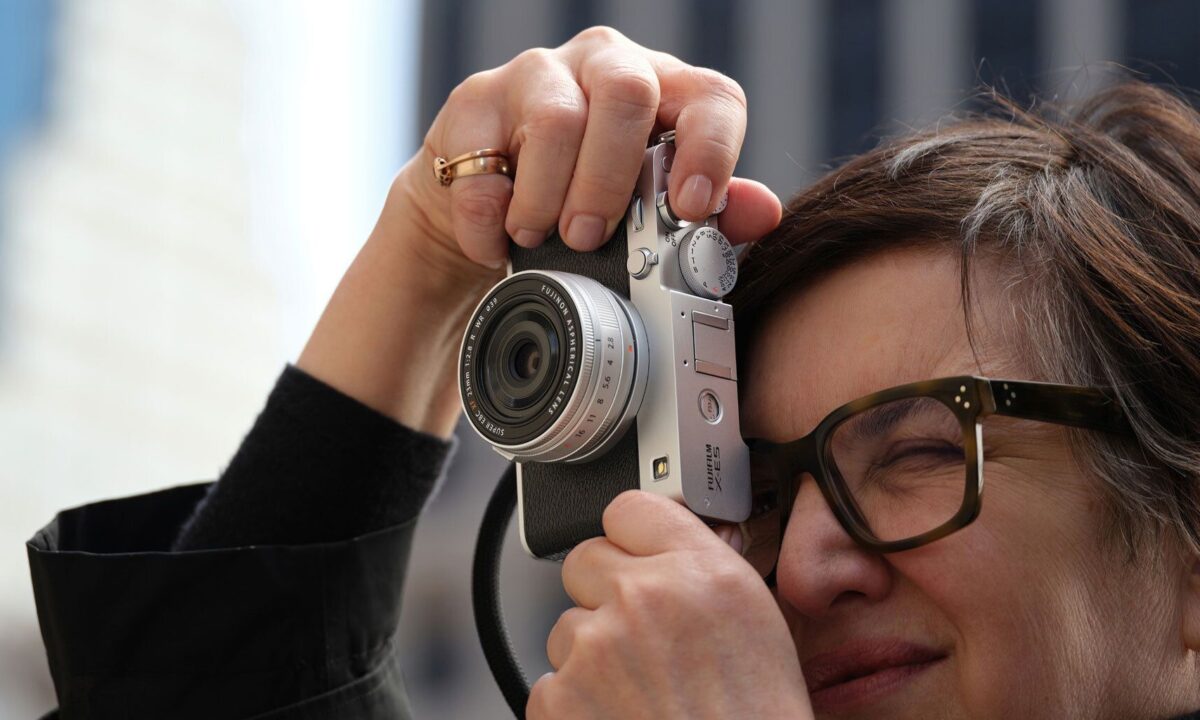
Fujifilm X-E5 is the most flexible everyday body in this shortlist. GFX100RF is a specialist high-resolution fixed-lens choice, while Nikon Z5II provides full-frame flexibility at greater kit size.
In short: for most people the Fujifilm X-E5 is the best everyday camera in 2026, because at 445g with battery and card it is light enough to actually leave the house with, and its 7.0-stop in-body stabilization covers the low light everyday shooting runs into. Accept two real limits: one card slot and roughly 310 frames per charge.
The best everyday camera is the one that gets carried. It succeeds when it is carried, responds quickly and gives room to learn. That makes it a different problem from choosing a camera for a shoot. Nobody abandons a camera on assignment because it is 250g heavier; people abandon everyday cameras constantly for exactly that reason. System weight also includes the lens, a spare battery and whatever bag it needs, so body-only comparisons mislead.
How we chose
Every figure below comes from the manufacturer’s own specification page, linked at the end, and is labeled as a manufacturer value. Stabilization ratings follow the CIPA 2024 standard where the manufacturer states it. Battery figures are CIPA ratings, which are a comparison baseline rather than a promise. RankBoast has not handled or laboratory-tested these bodies and does not publish invented test results. Our review methodology explains what we will and will not claim.
The best everyday cameras compared
| Model | Sensor | Weight with battery + card | Stills IBIS | Card slots | CIPA battery |
|---|---|---|---|---|---|
| Fujifilm X-E5 | 40.2MP APS-C X-Trans CMOS 5 HR | Approx. 445g | 5-axis, 7.0 stops center / 6.0 periphery | 1 (SD UHS-II) | Approx. 310 frames (400 economy) |
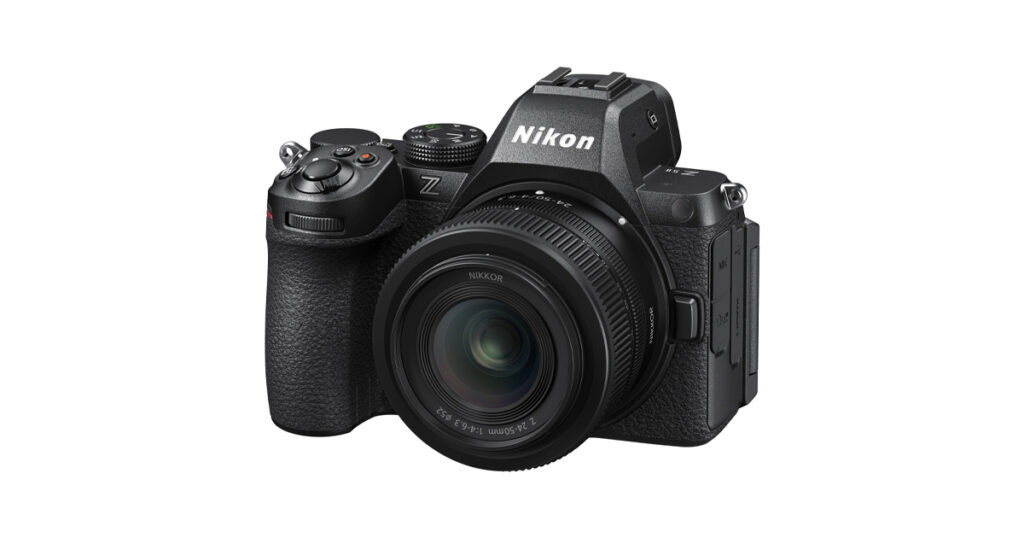
| Nikon Z5II | 24.5MP full-frame BSI | 620g body only; add a lens | 5-axis, up to 7.5 stops | 2 (SD UHS-II) | Approx. 380 shots |
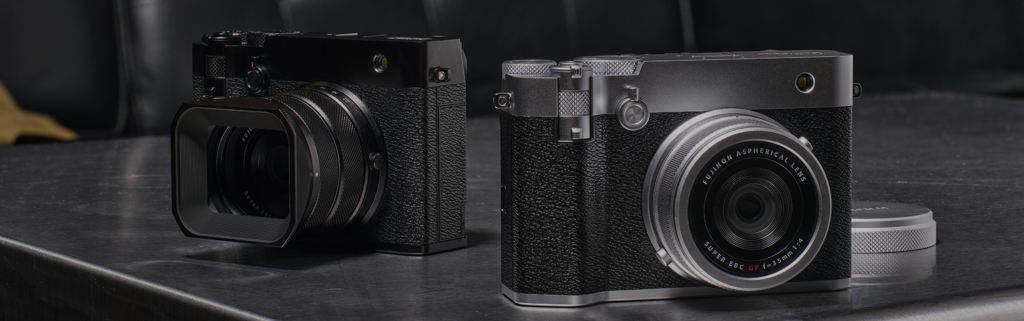
| Fujifilm GFX100RF | 102MP 43.8 × 32.9mm | Approx. 735g (654g without) | None for stills (digital IS in video only) | 1 (SD UHS-II, plus SSD support) | Approx. 820 frames |
Manufacturer specifications. Fujifilm quotes X-E5 body dimensions of 124.9 × 72.9 × 39.1mm.
The specification that ends a day early
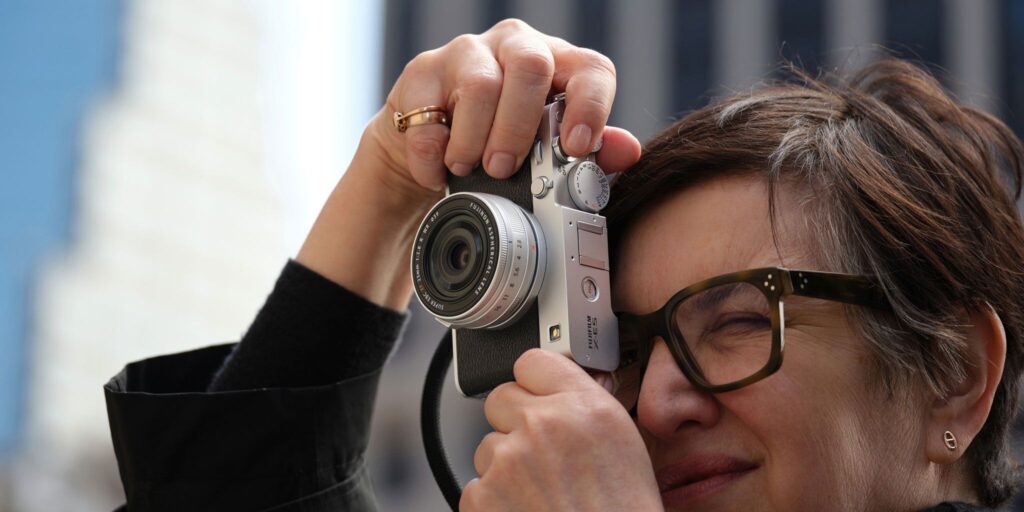
Compare the battery column again, because it inverts the assumption that a smaller camera is the more practical one. The X-E5 is rated at roughly 310 frames. The GFX100RF — larger, heavier, far more expensive — is rated at roughly 820. The Nikon Z5II sits between them at about 380 shots.
For the best everyday camera choice that gap matters more than most sensor discussions. Three hundred frames is a long afternoon for a deliberate photographer and a single morning for someone learning, who shoots more and reviews more. If you choose the X-E5, budget for a second NP-W126S battery from the start and treat it as part of the purchase price, not an accessory.
Card redundancy splits the same way. Only the Z5II has two slots. On the two Fujifilm bodies, a corrupted card means the day is gone. That is an acceptable risk for personal photography and an unacceptable one for anything you were paid to capture — which is worth deciding before you buy, not after.
Stabilization is the everyday feature
Everyday photography happens in worse light than planned photography: interiors, evenings, museums, restaurants, winter afternoons. That is where in-body stabilization earns its place in a best everyday camera shortlist, and it is the clearest technical separation in this shortlist.
The X-E5 is rated at 7.0 stops in the center and 6.0 at the periphery under CIPA 2024. The Z5II is rated up to 7.5 stops. The GFX100RF has no in-body stabilization for stills — its digital stabilization applies to video only. With a fixed f/4 lens and 102MP of resolution to keep steady, that is a genuine constraint rather than a specification footnote: handheld low light will push you to higher ISO or a support.
Manufacturer stabilization ratings are measured under favorable laboratory conditions with specific lenses. Treat them as an ordering, not a guarantee of shutter speeds you will achieve.
Choose a focal length before a body
A compact 23mm APS-C lens gives roughly a 35mm-equivalent view. The GFX100RF’s fixed lens is a 35mm f/4 that works out to approximately 28mm equivalent. Those two views feel materially different for people, street scenes and interiors, and 28mm is wide enough that casual portraits need care about distortion and distance.
Before committing to any fixed-lens camera, spend a week shooting your phone locked to one focal length and check whether the framing you naturally reach for matches. Most phones report focal length in their EXIF data. This costs nothing and settles the question better than any review, because it tests your habits rather than the lens.
The viewfinder decides how it feels outdoors
Everyday shooting means bright daylight, and viewfinder quality varies more across this shortlist than the price ordering suggests. The X-E5 uses a 2.36 million-dot OLED panel at 0.62x magnification. The Z5II uses a 3.69 million-dot Quad VGA OLED rated at 3000 nits peak brightness. The GFX100RF uses a 5.76 million-dot panel.
Numbers only go so far here. Eye relief, magnification and whether the rear screen tilts to your actual shooting position are personal, and no specification captures them. The X-E5’s 3.0-inch tilting touchscreen suits waist-level street shooting; it does not suit video vlogging, which needs a screen that faces forward.
Independent evidence
DPReview has published a full in-depth review of the X-E5, which is stronger evidence than the summary rating we cited in an earlier version of this article. Independent reviews are useful for consistency of testing across bodies, but they cannot tell you whether a camera fits your hand or your week. Read them for measured behavior, then handle the camera.
Who should choose what
- Most people, most of the time: Fujifilm X-E5. The 445g weight and 7.0-stop stabilization are the two specifications that decide whether the best everyday camera on paper gets used in practice. Buy the spare battery with it.
- You want one camera that also handles paid or important work: Nikon Z5II. Dual UHS-II slots, 7.5-stop stabilization and a brighter viewfinder, at the cost of full-frame lens weight and price. Price the lens with the body before comparing.
- You want maximum detail and will accept the constraints: Fujifilm GFX100RF. 102MP and 820 frames per charge, with no stills stabilization, one fixed 28mm-equivalent f/4 lens and 735g to carry.
- You are learning photography on a budget: none of these. See our student camera guide — a cheaper APS-C body plus a better lens teaches more per pound spent.
Verdict
The X-E5 is the everyday recommendation because it wins on the two axes that actually govern everyday use, weight and stabilization, and its weaknesses are both budgetable: a second battery solves the endurance limit, and the single card slot only matters if the photographs are irreplaceable. The Z5II is the better camera in absolute terms and the worse everyday camera, because full-frame lenses undo the point. The GFX100RF is a specialist instrument that happens to be portable, not a general-purpose best everyday camera choice.
What we would need to test to say more
We are not claiming measured results we do not have. To go further than the analysis above, we would need to run all three bodies through the same carry week with identical lenses, log real frame counts against the CIPA ratings, and shoot a fixed low-light scene at matched shutter speeds to compare stabilization in practice rather than on paper. Until we do that, the stabilization and battery figures here remain manufacturer claims, clearly labeled as such.
Sources and methodology
Weights, sensor specifications, stabilization ratings, viewfinder resolutions, card configurations and battery ratings are manufacturer values from the official specification pages linked below, retrieved August 2026. RankBoast did not conduct a carry-duration test, did not measure stabilization, and did not accept supplied products. Prices are omitted because they vary by region and promotion. Product images are manufacturer press images, credited and linked to the official product page beneath each figure; confirm press-use terms before reusing them elsewhere. Research and drafting for this update were AI-assisted; every specification was taken from the linked manufacturer pages. If you find an error, our corrections policy explains how we handle it.
Source links
Join the discussion
Add useful context, ask a focused question or share relevant experience. Comments are moderated to protect readers from spam and promotional links.
Leave a thoughtful comment